

Plumbing overflows can turn a quiet day at home into a stressful mess in minutes. Whether it’s a clogged toilet or a burst pipe, water suddenly spilling where it shouldn’t is not enjoyable and can cause serious damage if not handled quickly. Knowing what steps to take right away can save your home and cut down on costly repairs later. Let’s walk through simple tips that anyone can follow to keep a plumbing overflow from becoming a full-blown disaster.
To avoid home damage from plumbing overflow, promptly turn off your main water supply to stop further flooding and move valuables away from affected areas. Additionally, keep drains clear through regular cleaning and address any toilet or pipe clogs immediately, then call a professional plumber for fast emergency repair to prevent extensive damage.
Immediate Steps in a Plumbing Overflow
The very first thing to do when faced with a plumbing overflow is to stop the water source. This means locating the main water shut-off valve, typically found near your water meter or where the main line enters your house, and turning it off completely. It might sound straightforward, but in the chaos of an overflow, knowing exactly where this valve is—and acting fast—can save thousands of dollars and hours of cleanup later. Many homeowners have shared stories of how quickly water can pour in unimpeded when this step is skipped, turning a minor leak into a full-scale flooding event.
Once you’ve shut off the water supply, your next priority is protecting your belongings. Moving furniture, electronics, rugs, and any other valuables out of harm’s way should be done immediately. Even small puddles can soak into wood or fabric, leading to permanent stains or warping. From personal experience, we’ve seen countless homes where electronics were left vulnerable during an overflow, resulting not just in water damage but costly replacements that could easily have been avoided with prompt action.
Safety doesn’t end there. Water and electricity present one of the most dangerous combinations imaginable. Standing water can conduct electricity through floors or exposed wiring, creating serious shock hazards. If you need to enter the flooded area, always make sure to cut power at the breaker first. Never assume it’s safe to walk through standing water without ensuring electricity is off; many accidents happen because this critical safety precaution is overlooked.
After securing your immediate surroundings, open windows or use fans to ventilate the area if possible—this helps reduce moisture buildup that leads to mold growth. Also, document the damage promptly with photos before beginning any cleanup for insurance purposes. This step often gets forgotten amid panic, yet those images are crucial when filing claims.
– Turn off main water supply without delay. – Move all valuable items away from affected areas. – Switch off electricity at the breaker if there’s standing water. – Begin removing standing water using towels or a wet/dry vacuum within minutes. – Take photographs for documentation. – Ventilate the space with open windows or fans.
Having taken these immediate protective actions, focus now shifts toward carefully identifying the exact cause of the overflow so that professional repairs can be executed efficiently and effectively.
Identifying Overflow Sources
Pinpointing the exact source of a plumbing overflow is critical—it not only helps you act swiftly but also guides temporary fixes until professional help arrives. Among all potential triggers, clogged toilets and drains are the most common offenders in many homes. When sewage or water struggles to exit through the usual pathways, it tends to flood at the nearest access point, often leading to slow drainage or visible water rising unexpectedly in the toilet bowl or sink basin.
A simple plunger or drain snake often remedies these situations if caught early, emphasizing the value of regular maintenance to prevent serious overflows.
However, not all overflows announce themselves so clearly. Burst pipes suddenly disrupt water flow and pressure, sometimes leaving you with no gentle warnings before pools begin forming on your floors or walls.
Detecting this situation often involves noticing a rapid drop in water pressure combined with moisture seeping through walls or ceilings. Recognizing these signs without delay can save thousands of dollars in repairs by avoiding prolonged water exposure that damages wood, drywall, and personal belongings.
Water heater leaks take a stealthier approach. Because they typically start as small drips or puddles near the unit, homeowners might dismiss them as minor spills. Yet over time, these leaks can escalate to cause significant structural issues like floor rotting or mold growth behind walls.
Keeping an eye on your water heater’s base regularly and noting any wetness or corrosion is a proactive way to catch problems early. Waiting until visible damage appears usually means larger headaches ahead.
| Source | Identification Method |
| Clogged Toilet | Rising water level, slow flushing, gurgling sounds |
| Burst Pipe | Sudden water pressure drop, visible wet patches |
| Water Heater | Persistent dampness or puddles beneath unit |
Understanding these identification methods equips you with a mental checklist whenever you suspect an overflow problem. For example, if you notice water slowly pooling near your toilet while flushes become sluggish, you’re likely dealing with a clog that needs urgent attention before it backs up further.
If instead your shower drains fine but the wall feels damp to the touch, accompanied by an abrupt pressure change during water use, then a pipe burst may be underway behind that surface.
Always trust your senses: unusual smells; sounds like dripping water when none should be present; or unexpected moisture—all are red flags signaling something isn’t right within your home’s plumbing. Quick detection means quicker intervention.
Once you’ve identified the source of an overflow, taking immediate and focused steps can limit damage significantly. Preparing yourself with knowledge paves the way for effective action and sets the stage for when professional help from trusted experts like One Source Plumbing arrives to restore safety and functionality.
Quick Fixes You Can Do Yourself
When a toilet or sink starts to overflow because of a clog, one of the simplest and most effective tools you can reach for is a plunger. Not just any plunger will do, though—using the right type makes all the difference. Toilets require a flange plunger, which has an extended rubber flap designed to create a better seal around the drain opening. For sinks or tubs, a cup plunger works best because its flat rim is ideal for sealing over flat surfaces. Pressing down firmly and giving a few strong thrusts can often dislodge stubborn clogs, restoring normal flow in about 70 to 80 percent of cases. It’s a straightforward way to stop water from backing up without needing special skills or expensive equipment.
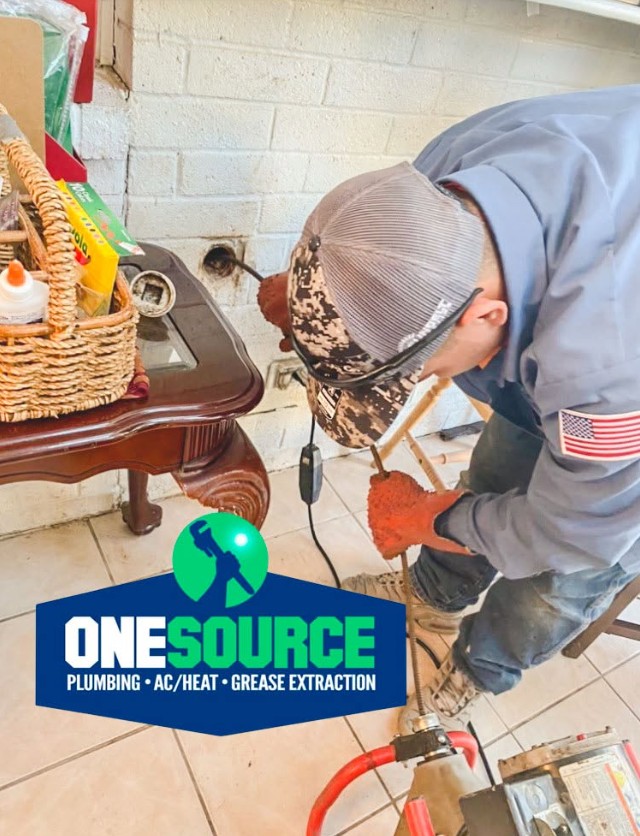
If plunging doesn’t work, or if you’re dealing with a clog deeper in your pipes, tools like a drain snake or auger become your next best option. These flexible tools extend into your plumbing and physically break up or pull out the blockage. While they require more effort and patience, their success rate can run as high as 85 percent. Using an auger carefully will help clear hair, grease buildup, or even small objects lodged in pipes that cause backups and potential overflow. When using these devices, it’s best to wear gloves and work slowly to avoid damaging your pipes.
Talking about clogs naturally leads us to chemical-free solutions, which are safe alternatives for dissolving organic blockages without harsh chemicals.
A household favorite—and something many homeowners swear by—is the classic baking soda and vinegar combo. Pouring about one cup of baking soda followed by one cup of vinegar into the drain triggers a bubbling chemical reaction that loosens grime and organic debris clinging inside the pipes. After letting this fizzing mixture sit for around 15 minutes, flushing it out with two liters of hot water washes away impurities and helps prevent new blockages from forming. This method works especially well as regular preventative maintenance to keep drains flowing freely without exposing your plumbing or family to harmful substances.
Meanwhile, don’t forget simple pipe-related checks that might stop leaks before they pump more water onto your floor. Tightening visible pipe connections using an adjustable wrench (set between 20 and 30 Newton-meters of torque) can often halt minor leaks caused by loose fittings. For those tiny cracks or leaks that appear suddenly in exposed pipes, applying plumber’s tape or epoxy putty offers a quick seal that holds until you can arrange a permanent repair. Though these “stopgaps” are valuable in emergencies, they should not replace proper fixes from certified professionals.
Beyond clearing clogs and temporary seals, managing water on the floor also demands prompt attention.
Standing water from overflow not only creates slippery hazards but also raises risks of electrical shock if near outlets or appliances. A wet/dry vacuum designed for home use becomes hugely helpful here—it quickly removes pooled water with suction powers averaging between 100 to 150 cubic feet per minute and capacities ranging from 2 to 5 gallons. Even keeping basic supplies such as buckets and towels nearby goes a long way in containing spills during these urgent moments.
Quick Tip: Always wear rubber gloves and eye protection when tackling plumbing issues yourself—these simple precautions safeguard you from bacteria in wastewater or accidental splashes of cleaning agents.
Performing these quick fixes can temporarily reduce damage until experts arrive; integrating routine care proves essential to minimize persistent overflow issues.
One Source Plumbing in Dallas–Fort Worth specializes in rapid emergency response combined with preventative maintenance—with over 25 years of experience helping homeowners sidestep costly repairs through early action. Understanding how to act swiftly while waiting for professionals can make all the difference when water starts rising unexpectedly.
Knowing how to handle emergencies sets the stage for adopting ongoing preventive measures that shield your home from future plumbing troubles. Next, we explore ways you can maintain your system proactively to keep everything flowing smoothly.
Regular Maintenance Tips
Consistent upkeep of your home’s plumbing doesn’t just keep everything flowing smoothly—it also acts as a frontline defense against unexpected disasters like overflowing toilets or burst pipes. When you think about it, homes are complex systems where every joint, pipe, and fixture plays a critical role.
Over time, mineral deposits, rust, corrosion, and everyday wear can slowly compromise this system, leaving you vulnerable to leaks or blockages that cause water damage.
For that reason, regular inspections become invaluable. Take the time to visually examine exposed pipes under sinks or near water heaters for signs of rust—reddish stains or warped metal are red flags. Similarly, watch for even minor moisture or water pooling around connections. These early warnings often appear long before a pipe bursts.
Catching them early means repairs can often be simple and affordable rather than emergency-level costly.
Cleaning your drains monthly is another habit that helps maintain smooth flow throughout your home. Many people don’t realize how hair, soap residue, and small debris gradually build up inside pipes, creating invisible blockages.
Using an eco-friendly drain cleaner regularly helps break down these deposits without harsh chemicals that damage pipes or harm ecosystems. Plus, avoiding chemical-heavy products reduces the risk of irritating fumes or harming septic systems.
Alongside your personal maintenance routines, scheduling an annual professional inspection from licensed plumbers must not be overlooked. These experts have the tools and know-how to spot hidden issues behind walls or deep within the system that we simply can’t detect on our own.
For example, they can perform camera inspections inside pipes to identify cracks or buildup long before symptoms appear. This preventive approach gives you peace of mind and avoids surprise flooding events.
Key habits to protect your home against plumbing overflow include the following:
- Inspect visible piping regularly for signs of corrosion or leaks.
- Clean drains monthly with environmentally safe products.
- Replace worn-out fixtures promptly to prevent leaks.
- Schedule yearly professional checkups for comprehensive evaluation.
- Install mesh drain covers on showers and sinks to block hair and debris.
- Test toilet tanks for leaks using simple dye tests—and fix running tanks quickly to reduce water waste.
While diligent maintenance keeps many problems at bay, some situations demand professional assistance beyond basic fixes. Recognizing those moments is crucial to preventing costly damage and maintaining a sound plumbing system.
When to Call a Professional Plumber
Plumbing overflows can sometimes be tackled with simple DIY solutions—a plunger here, a bit of drain cleaner there—but there are clear signs that indicate it’s time to bring in an expert.
For example, if you notice multiple drains clogging at the same time, it’s usually not just a coincidence; this often points to a deeper blockage or problem within your main sewer line or venting system. Such issues require specialized diagnostic tools and experience to locate and fix the root cause before it escalates.
Similarly, persistent water pressure fluctuations—whether too low or abruptly high—can hint at underlying problems like hidden leaks or faulty pressure regulators. Low pressure below 20 psi reduces water flow, while dangerously high pressure above 80 psi strains your pipes and fixtures, increasing the risk of bursts or leaks. Ignoring these signs risks water damage and costly repairs.
Another subtle but alarming indicator is the appearance of water stains or discoloration on walls and ceilings, especially near plumbing fixtures. These stains may mean your pipes have developed cracks or corrosion deep inside walls or floors where you can’t easily see them. Attempting to diagnose or repair concealed damage without professional expertise can worsen the situation, potentially compromising structural elements and fostering mold growth.
One customer shared, “I initially treated what I thought was a surface clog myself but eventually discovered it was a cracked main pipe causing constant backups. Calling One Source Plumbing saved me from extensive water damage and costly repairs.” This story highlights how timely professional intervention protects your home and wallet.
Bringing in a licensed plumber when you spot these warning signs ensures immediate problem resolution plus peace of mind through thorough inspection and lasting fixes.
Beyond Emergencies: Why Professional Service Matters
Many homeowners hesitate to call plumbing experts until things escalate, but preventative professional maintenance plays a crucial role in avoiding overflows. Regular inspections using camera diagnostics can reveal early-stage corrosion, minor leaks, and buildup inside pipes before blockages or bursts occur.
Experienced plumbers also maintain your system according to local codes and safety standards—something DIY efforts can’t guarantee.
If you encounter any of these conditions—
| Warning Signs |
| Repeated clogging despite plunging or snaking |
| Water pooling around fixtures after shutting off valves |
| Foul odors or sewage smells coming from drains |
| Shut-off valves failing to fully stop water flow |
| Plumbing systems older than 20 years without recent upgrades |
—it’s wise to call professionals immediately. Waiting risks escalating damage that leads to structural harm, mold infestations, and electrical hazards if water contacts wiring nearby.
In emergencies, fast response is vital; One Source Plumbing offers 24/7 emergency service throughout Dallas–Fort Worth so you’re never left waiting when a pipe bursts or overflow threatens your home.
What Happens When Professionals Arrive?
A seasoned plumber doesn’t just stop leaks—they perform a comprehensive diagnosis using specialized cameras and moisture detection tools. This process helps pinpoint hard-to-find issues like slow leaks inside walls or tree root invasions in sewer lines. They provide transparent upfront pricing for repairs designed to fix problems right the first time.
Their expertise extends beyond stopping water flow; they ensure restored water pressure balance, safe gas line integration when applicable, drainage efficiency improvements, and cleanup guidance to minimize long-term effects from overflows.
Understanding these essentials helps build a foundation for ongoing care that keeps your home’s plumbing robust against future challenges.
Preventing Future Issues in Your Home
Prevention is always better than cure, especially with plumbing. One of the most effective ways to guard your home against overflow damage is by upgrading your systems.
For instance, installing water leak sensors in areas prone to moisture—like under sinks, near water heaters, or in basements—can be a game-changer. But don’t stop at just placing sensors; connect them to a smart home system that instantly alerts you and even notifies your plumber if a leak is detected. This early warning can prevent small drips from turning into torrents that ruin flooring or walls.
Beyond sensors, investing in durable, high-quality pipes and fittings matters immensely. Older homes often have galvanized steel or low-grade PVC that deteriorate faster or cannot handle pressure fluctuations well. Replacing these with modern, corrosion-resistant PEX piping or copper not only reduces the risk of bursts but also can improve water flow and efficiency over time.
But technology and hardware alone won’t fix everything. Educating everyone in your household about basic plumbing safety and emergency protocols dramatically cuts response times when something goes wrong.
Make sure each person knows exactly where shut-off valves are located—usually at the main water line and near major appliances—and how to turn them off quickly. Consider a quick family drill once or twice a year. When pressure builds in a pipe or water starts pooling unexpectedly, every second counts.
According to a 2023 report by the American Society of Plumbing Engineers, homes that prioritize regular plumbing inspections and system upgrades reduce their likelihood of encountering severe plumbing failures by nearly 30%. This statistic underscores that scheduled maintenance isn’t just a recommendation—it’s an investment in peace of mind and financial savings.
Implementing these measures doesn’t just protect your home today; it extends the lifespan of your entire plumbing infrastructure, shielding you from costly repairs down the road.
By combining smart technology adoption, quality materials, and household education, you build a resilient defense against unwanted overflows. This multifaceted approach empowers homeowners to spot trouble before it escalates and act effectively when issues arise.
Remember, prevention is continuous work—regular check-ups with professional plumbers help identify subtle signs of wear or small leaks invisible to the untrained eye.
At One Source Plumbing, we specialize in helping homeowners upgrade systems with state-of-the-art leak detection devices and durable fittings. Our technicians can also educate your family on emergency responses tailored for your home’s specific layout.
When a plumbing overflow threatens your home, fast action can make all the difference. Whether you are dealing with a clogged toilet, burst pipe, leaking water heater, or sudden drain backup, One Source Plumbing provides trusted plumbing service in Dallas and responsive support when you need an emergency plumber in Dallas, TX. If you are searching for reliable plumbers in Dallas who can help prevent water damage and restore your plumbing system quickly, call 214-974-4928 or contact us today.
